
Embarking on the world of e-bikes opens up exciting possibilities, but with it comes understanding the technology that powers your ride. Among the key components are torque and cadence sensors, which play a crucial role in how your electric bike responds to your pedaling. At E-Bike Buddies, we believe that informed riders make the best riders, so let's dive into the essentials of these sensors, especially for those enjoying Florida electric bikes.
Understanding Cadence Sensors
Cadence sensors measure how fast you're pedaling, or your revolutions per minute (RPM). E-bikes with cadence sensors typically provide motor assistance once you start pedaling, regardless of how much force you're applying. This system is straightforward, offering a boost to get you going and maintaining it as you pedal. However, the assistance level is usually tied to the bike's speed settings rather than your effort.
Diving into Torque Sensors
Torque sensors, on the other hand, measure how much force you're applying to the pedals. This system offers a more intuitive riding experience because the motor's assistance is directly proportional to your pedaling effort. The harder you pedal, the more power the motor delivers, mimicking a natural cycling feel. Many riders find that torque sensors provide a smoother, more responsive ride, especially when tackling hills or headwinds.
Key Differences and Riding Experience
The primary difference lies in how the motor assistance is regulated. Cadence sensors offer assistance based on pedaling speed, while torque sensors respond to pedaling force. This results in distinct riding experiences.
Responsiveness: Torque sensors generally offer quicker and more precise response to changes in pedaling effort.
Battery Efficiency: Cadence sensors might consume more battery because the motor is always engaged when pedaling, regardless of the force applied. Torque sensors, delivering power based on effort, can be more efficient.
Natural Feel: Many cyclists prefer the natural feel of torque sensors, as the assistance feels like an extension of their own power.
Choosing the Right Sensor for You
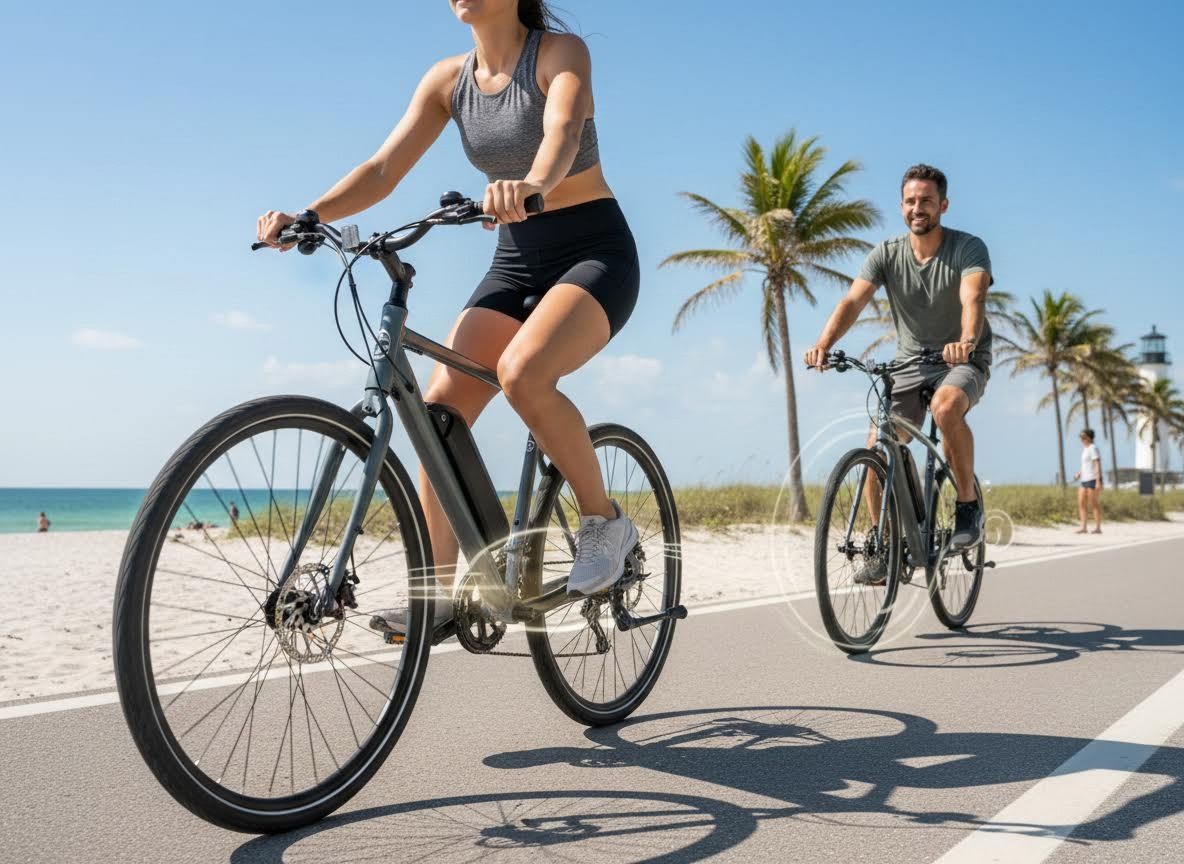
The choice between torque and cadence sensors depends on your riding style and preferences. If you prefer a consistent boost with minimal effort, a cadence sensor might suffice. However, if you seek a more engaging and responsive ride that closely mimics traditional cycling, a torque sensor is likely the better option. When considering Florida electric bikes, think about the varied terrains and how each sensor type would perform – from beachside paths to urban hills.
Addressing Common Electric Bike Problems
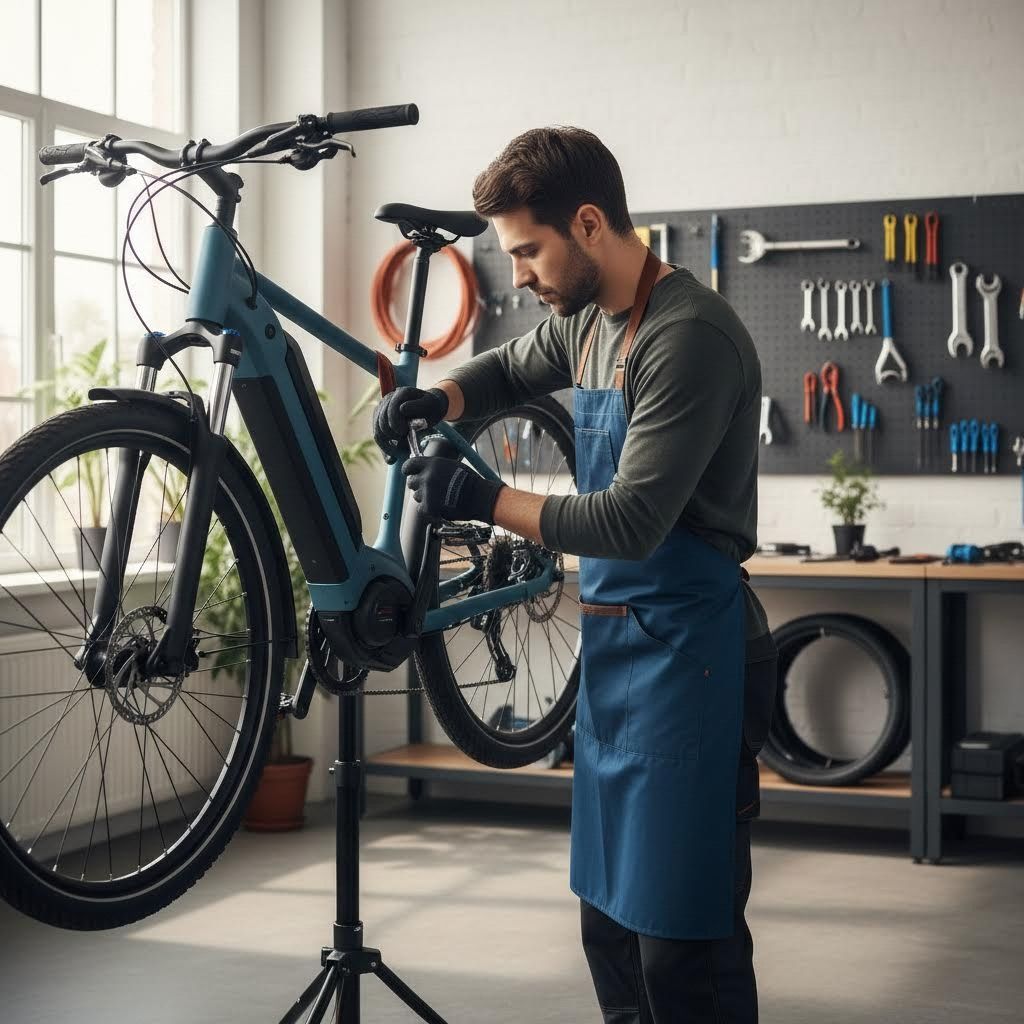
Regardless of the sensor type, electric bike problems can arise. Regular maintenance, including ebike tune ups, is essential. Issues with sensors can affect motor performance, leading to jerky rides or a lack of assistance. If you encounter electric bike problems, it's crucial to seek professional electric bike repair to ensure accurate diagnostics and repairs.
The Importance of Professional Electric Bike Assembly
Whether your e-bike uses a torque or cadence sensor, professional electric bike assembly is critical for optimal performance and safety. Proper assembly ensures that all e-bike components, including the sensors, are correctly installed and calibrated. This not only enhances the riding experience but also prevents potential issues down the road.
Understanding the nuances between torque and cadence sensors can significantly enhance your e-biking experience. Both types offer unique benefits, and the best choice depends on your personal riding style and preferences. Regular maintenance, professional assembly, and timely electric bike repair are key to keeping your e-bike running smoothly, ensuring you can fully enjoy the ride. Remember, E-Bike Buddies is here to ensure your e-bike is always ready for the road with our mobile repair services. Contact us today for expert advice or to schedule your next e-bike tune up and let us bring unparalleled convenience directly to your location!